Shandong Fengmai Metal Materials Co., Ltd.
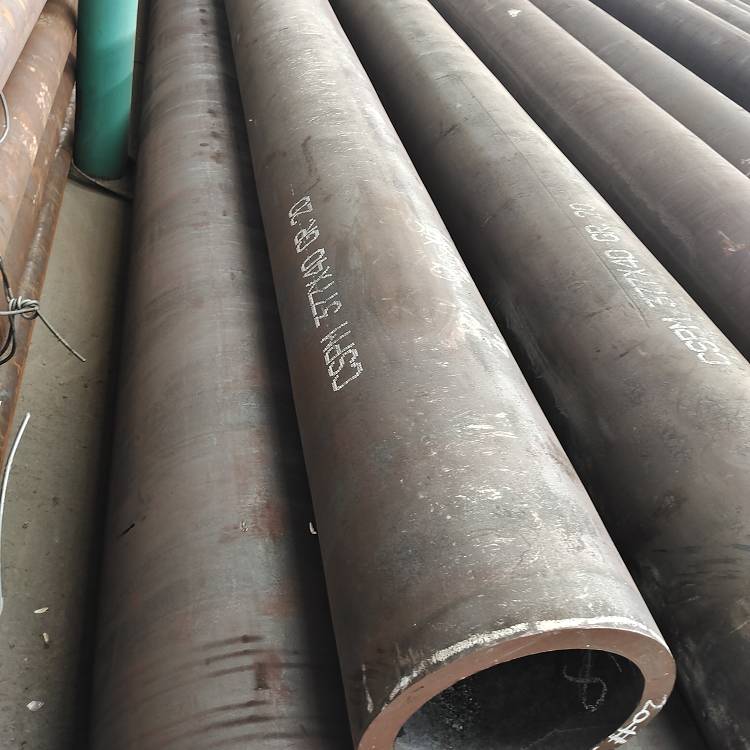
The company has grown steadily in the steel industry and become a leading comprehensive enterprise in the country. With our extensive product lines and efficient services, we have not only won an excellent reputation in the domestic market, but also successfully expanded our business to the international market. As a professional steel trading, processing and sales enterprise, we mainly deal in seamless steel pipes, stainless steel pipes, galvanized steel plates, galvanized steel pipes, line pipes, copper pipes and tunnel steel pipes and other products. These products are widely used in various fields such as construction, manufacturing and industry, and we ensure that each product is produced in strict accordance with international standards to ensure its stability and reliability. Our enterprise adheres to scientific management and technological innovation, and has advanced supporting equipment and strong technical force. Our R&D team continues to explore and innovate to ensure that technology and products are always at the forefront of the industry. By implementing a strict quality control system, we are able to ensure that each batch of products meets high standards at home and abroad. In the international market, our products have been sold to Europe, South America, the Middle East, India and other regions, and we have established an extensive sales network and multiple overseas warehousing centers. This not only provides convenience to our customers, but also strengthens our company's market competitiveness. Our overseas customer base includes large construction companies, engineering contractors and wholesalers, all of whom speak highly of our product quality and services. Customer satisfaction is at the core of our business development.

We provide a full range of sales and technical support. Whether it is order consultation, product customization or after-sales service, our professional team can provide clear and professional answers in the shortest time. We understand that timely communication and problem resolution are key to maintaining customer trust and satisfaction. In order to adapt to the needs and challenges of the global market, we also actively participate in various international expos and trade shows to showcase our products and technologies. These events not only help us better understand customer needs, but also bring us opportunities to network with international buyers. Looking to the future, our company will continue to expand its product range, strengthen cooperation with international partners, and at the same time continuously improve product quality and service efficiency. We believe that through continuous efforts and innovation, our company will become a leader in the global steel industry. To this end, we sincerely invite partners around the world to join hands with us to create a better future. We look forward to cooperating with you and sharing the joy and results of success.