

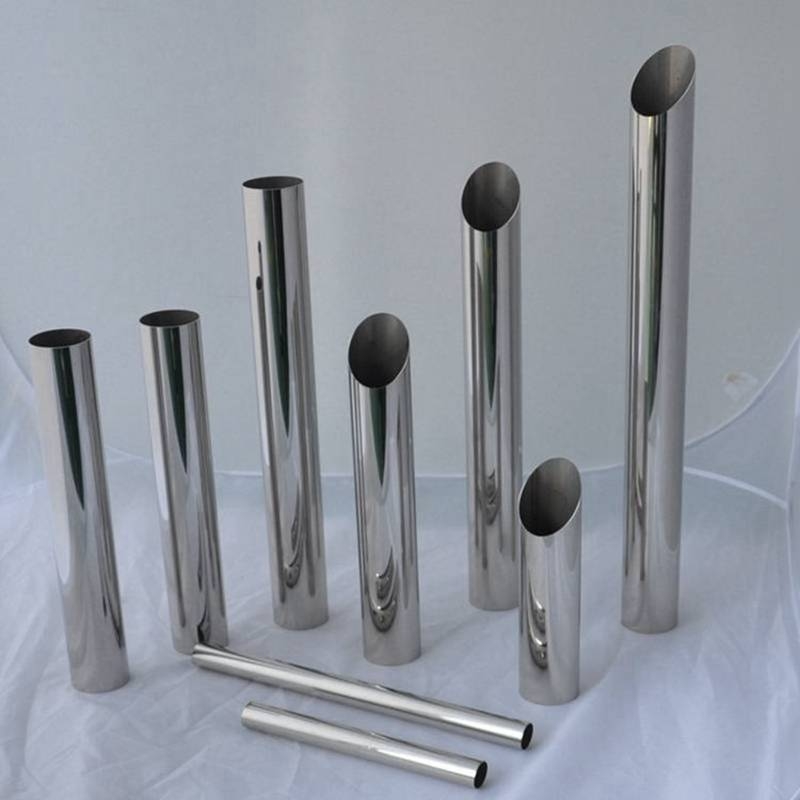
Stainless steel pipes are widely used in industries such as construction, food processing, chemical, pharmaceutical, and more, thanks to their excellent corrosion resistance, high-temperature tolerance, strength, and hygienic properties. Below is key information about stainless steel pipes in pipeline applications:
1. Common Stainless Steel Materials
- 304/304L: General-purpose austenitic stainless steel with good corrosion resistance, suitable for food, chemical, and construction applications.
- 316/316L: Contains molybdenum (Mo), offering superior corrosion resistance (especially against chlorides), ideal for seawater and harsh chemical environments.
- 321: Contains titanium (Ti), providing high-temperature oxidation resistance, used in heat exchangers and high-temperature pipelines.
- 430: Ferritic stainless steel, cost-effective but with lower corrosion resistance, suitable for mild environments.
2. Main Types
- Seamless Stainless Steel Pipes: Manufactured through hot rolling or cold drawing, weld-free, with high pressure resistance—ideal for high-pressure and high-temperature applications (e.g., oil, chemical industries).
- Welded Stainless Steel Pipes: Made by rolling and welding steel plates, cost-effective, suitable for low-pressure pipelines (e.g., water supply, structural use).
- Sanitary Stainless Steel Pipes: Feature polished inner surfaces (Ra ≤ 0.8μm), compliant with GMP standards, used in food and pharmaceutical industries.
3. Key Advantages
- Corrosion Resistance: Resists acids, alkalis, salt spray, and steam, ensuring long service life.
- High Strength: Better pressure-bearing capacity than plastic or copper pipes.
- Hygienic & Safe: No leaching, meeting food-grade standards (e.g., GB 4806.9-2016).
- Aesthetic Appeal: Can be polished or brushed for decorative applications.
4. Applications
- Industrial Pipelines: Chemical equipment, oil & gas, heat exchangers.
- Construction Pipelines: Water supply, firefighting systems, underfloor heating.
- Food & Pharmaceutical: Dairy, beer, pharmaceutical fluid transport.
- Environmental: Wastewater treatment, flue gas desulfurization.
5. Standards & Specifications
- International Standards: ASTM A312 (seamless/welded), ASTM A269 (sanitary pipes), DIN EN 1.4301 (304).
- Chinese Standards: GB/T 12771 (welded), GB/T 14976 (seamless for fluid transport).
- Common Sizes: Outer diameter 6mm–2000mm, wall thickness 0.5mm–50mm.
6. Selection Considerations
- Medium Compatibility: Choose material based on corrosivity (e.g., 316L for high chloride environments).
- Pressure & Temperature: Seamless pipes for high pressure; 321 or 310S for high temperature.
- Cost Efficiency: Welded pipes are economical, while seamless pipes offer higher performance at a premium.
7. Installation & Maintenance
- Connection Methods: Welding, flanges, press-fit, threading (small diameters).
- Maintenance Tips: Regularly inspect passive film; avoid contact with carbon steel (to prevent galvanic corrosion).
For specific parameters (e.g., chemical composition, pressure ratings), please specify your application, and I’ll provide tailored recommendations!
