

Quality Control of Seamless Steel Tubes: Testing Methods and Standards
Seamless steel tubes are widely used in high-pressure, high-temperature, and corrosive environments (e.g., oil & gas, power plants, automotive). Ensuring their quality requires strict testing methods and adherence to international standards. Below are key quality control measures, testing methods, and industry standards.
1. Key Quality Control Tests for Seamless Steel Tubes
(1) Chemical Composition Analysis
- Purpose: Verify alloy composition (C, Mn, Si, S, P, Cr, Mo, etc.).
- Methods:
- Spectrometry (OES) – Fast and accurate for elemental analysis.
- X-ray Fluorescence (XRF) – Non-destructive testing.
- Wet Chemical Analysis – Traditional lab testing.
- Standards:
- ASTM A751 (Chemical Analysis)
- EN 10204 (Material Certification)
(2) Mechanical Testing
- Tensile Test
- Measures yield strength (YS), tensile strength (TS), elongation (%).
- Standard: ASTM A370 / ISO 6892-1
- Hardness Test
- Rockwell (HRB/HRC), Brinell (HB), Vickers (HV).
- Standard: ASTM E10 (Brinell), ASTM E18 (Rockwell)
- Impact Test (Charpy V-Notch)
- Evaluates toughness at low temperatures.
- Standard: ASTM A370 / ISO 148-1
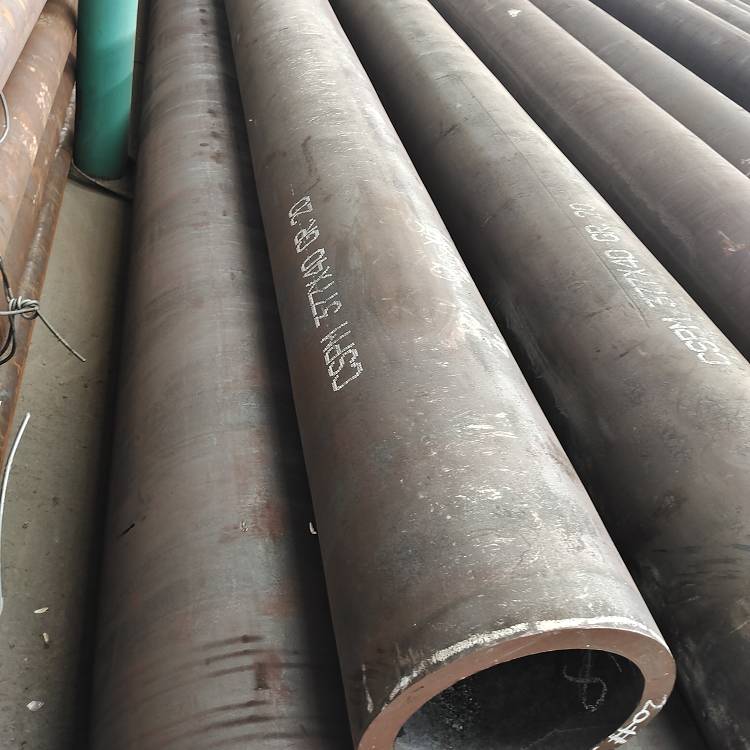
(3) Dimensional Inspection
- OD/ID Measurement – Calipers, micrometers, laser gauges.
- Wall Thickness – Ultrasonic testing (UT).
- Straightness & Ovality – Laser profiling.
- Standards:
- ASTM A530 (General Requirements)
- API 5CT (Casing/Tubing)
(4) Non-Destructive Testing (NDT)
- Ultrasonic Testing (UT) – Detects internal flaws (cracks, inclusions).
- Eddy Current Testing (ET) – Surface defect detection.
- Hydrostatic Test – Checks pressure resistance (water or gas).
- Magnetic Particle Inspection (MPI) – Finds surface cracks.
- Radiographic Testing (RT) – X-ray inspection for weld integrity.
- Standards:
- ASTM E213 (UT for Tubes)
- ASTM E709 (MPI)
- API 5L / ISO 13680 (Hydrostatic Testing)
(5) Metallographic Examination
- Microstructure Analysis – Checks grain size, phase distribution.
- Inclusion Rating – Assesses cleanliness of steel.
- Standard: ASTM E3 / ISO 4967
2. Industry Standards for Seamless Steel Tubes
Different applications require compliance with specific standards:
| Application | Key Standards |
|---|---|
| Oil & Gas (OCTG) | API 5CT, API 5L, ISO 11960 |
| Boiler/Pressure Vessels | ASTM A106, ASTM A335 (Pipes), ASTM A213 (Tubes) |
| Mechanical & Structural | ASTM A519, DIN 2391, EN 10216 |
| Automotive & Aerospace | AMS 6360, AMS 6361 (High-Strength Alloys) |
| Chemical Industry | ASTM A312 (Stainless Steel) |
3. Common Defects & Prevention
| Defect | Cause | Prevention |
|---|---|---|
| Cracks/Splits | Improper cooling, high stress | Proper heat treatment, UT inspection |
| Laminations | Inclusions in steel | Strict melt control, UT/RT testing |
| Dimensional Deviations | Poor rolling calibration | Laser gauging, automated sizing |
| Surface Scratches | Handling damage | Protective packaging, smooth transport |
4. Best Practices for Quality Assurance
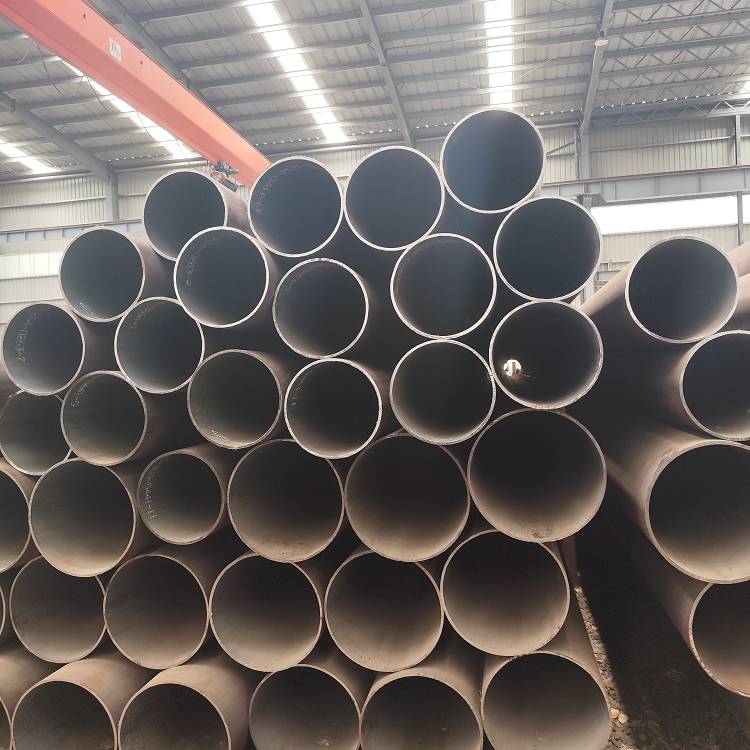
✔ Supplier Qualification – Choose mills with ISO 9001, API Q1, or NADCAP certification. ✔ Batch Testing – Random sampling from each production lot. ✔ Third-Party Inspection – SGS, BV, or TÜV for unbiased verification. ✔ Traceability – Ensure material test reports (MTRs) with heat numbers.
Conclusion
Seamless steel tubes must undergo chemical, mechanical, dimensional, and NDT tests to meet industry standards like API, ASTM, and EN. Implementing strict QC ensures reliability in critical applications like oil drilling, power plants, and automotive systems.
