

Specific Application of ASTM A106 Steel Pipe in Petroleum and Natural Gas Industry
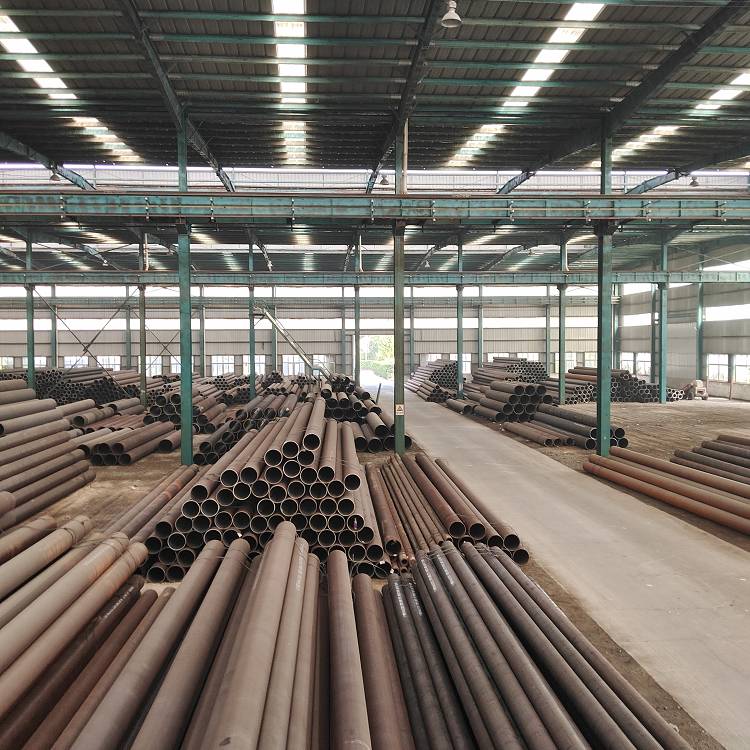
ASTM A106 steel pipe has become a key material in the petroleum and natural gas industry due to its seamless structure, high temperature and high pressure resistance, and diverse grade selection. The following are its specific applications and technical analysis in this field:
1. Oil and gas transmission pipelines
Long distance transportation of crude oil and natural gas
ASTM A106 Grade B steel pipes are widely used in onshore and subsea oil and gas pipelines due to their high yield strength (≥ 240 MPa) and tensile strength (≥ 415 MPa). Its seamless structure can withstand high pressure (such as pipelines from high-pressure wellhead to processing facilities), and the outer diameter range covers 1/8 inch to 48 inches, suitable for different caliber requirements
Case: Commonly used for trunk pipelines and gathering pipelines in oil and gas fields, such as high-pressure transmission systems in shale gas extraction.
Adaptability to acidic environment
ASTM A106 provides NACE MR0175/ISO 15156 compatible versions for acidic oil and gas fields containing hydrogen sulfide (H ₂ S). Ensure safety in harsh environments by limiting sulfur and phosphorus content (S ≤ 0.035%) and conducting HIC (hydrogen induced cracking) and SSC (sulfide stress corrosion cracking) tests
2. Oil and gas wellhead and downhole equipment
A106 C-grade steel pipes (yield strength ≥ 275 MPa) are suitable for casing and tubing components in high-temperature and high-pressure wells. For example, in deep or ultra deep wells, its temperature resistance can reach 650 ° C (short-term), ensuring the stability of the equipment in high-pressure steam or acidic fluids.
Technical advantages: Hot rolling or cold drawing processes provide high-precision dimensions (tolerance ± 1%), reducing the risk of leakage during underground installation
3. Refinery and chemical plant pipeline systems
High temperature reactor and fractionation unit
B-class steel pipes are used as pipelines for catalytic cracking units and hydroprocessing units in refineries, capable of withstanding high temperatures (425 ° C~650 ° C) and corrosive media (such as acidic crude oil)
Process support: Enhance corrosion resistance and extend pipeline service life through galvanizing or epoxy coating (such as 3LPE)
Liquefied Natural Gas (LNG) facilities
In the LNG low-temperature transportation system, ASTM A106 steel pipes undergo normalizing treatment to enhance low-temperature toughness, adapt to low-temperature environments below -45 ° C, and prevent brittle fracture
4. Offshore oil and gas platforms and subsea pipelines
The high strength (such as X70 grade equivalent material) and seawater corrosion resistance of A106 steel pipes for subsea pipelines and risers are suitable for risers and cross-over pipes in deep-sea oil and gas fields. Its thermal mechanical rolling process (TMCP) refines grain size, improves fatigue resistance, and responds to wave loads and ocean current impacts
Case: Combined with polyethylene coating (HDPE) or galvanizing treatment, used for corrosion-resistant subsea pipelines in North Sea oil and gas fields.
5. Urban gas supply and storage distribution system
ASTM A106 B-grade steel pipes are used for high-pressure main pipelines in urban gas networks (such as systems with pressures above 4 MPa) due to their high cost-effectiveness and weldability. Its fixed length (such as 12 meters) reduces on-site welding nodes and lowers construction costs
Special design: Galvanized steel pipes are suitable for areas with high moisture or soil corrosiveness, such as underground gas pipelines in coastal cities
Technical comparison and selection suggestions
Grade Selection
B-level: Conventional high temperature and high pressure scenarios (such as refinery pipelines, onshore gas transmission pipelines).
C-level: ultra-high pressure or extreme temperature scenarios (such as deep well casing, high-temperature cracking equipment).
Galvanized/NACE version: Acidic or high humidity environment (such as sulfur-containing oil and gas fields, submarine pipelines)
Compatibility with other standards
ASTM A106 Grade B and API 5L GR. B have similar chemical compositions (C ≤ 0.30%, Mn 0.29-1.06%) and can be interchangeably used in conventional oil and gas pipelines.
summarize
ASTM A106 steel pipes cover a full range of applications in the petroleum and natural gas industry, from land to deep sea, from conventional to harsh environments. Its core advantages lie in the high reliability of seamless structure, multi-level adaptability, and corrosion-resistant treatment process. Users need to choose the appropriate grade and surface treatment plan based on specific working conditions (pressure, temperature, corrosive medium) to ensure system safety and economy.
