

1. Upgraded testing technology for 316L stainless steel material, with spectral analysis becoming the mainstream method
With the surge in demand for 316L stainless steel in the market, enterprises such as Shandong Fengmai have introduced advanced spectrometer detection technology to quickly identify authenticity by analyzing the precise content of key elements such as chromium, nickel, and molybdenum in the material. For example, 316L requires a nickel content of 10% -14% and a molybdenum content of 2% -3%, and spectroscopic testing can be completed under non-destructive conditions. The tunnel steel pipes and grouting steel pipes of Shandong Fengmai adopt this technology to ensure that the products meet international standards.
2. The chemical reagent detection method is highly respected and easy to operate, but attention should be paid to errors
Based on the molybdenum element characteristics of 316L, M2 is used to measure the droplet on the surface of the steel. If it turns red and does not fade after being electrified, it is considered a qualified material. Shandong Fengmai synchronously uses this type of reagent for initial screening in the production of galvanized steel, combined with laboratory verification, to improve quality inspection efficiency. Attention should be paid to the uneven quality of interview agents in the city, and it is recommended to cooperate with professional testing agencies to report their use
3. Appearance and physical performance testing cannot be ignored, and surface features reveal authenticity
The surface of genuine 316L stainless steel is smooth and uniform, without oxidation or scratches, while inferior products often have pits and cracks. The tunnel steel pipes supplied by Shandong Fengmai are processed through high-precision cold rolling technology to ensure a dimensional tolerance of ± 0.1mm and avoid engineering hazards caused by dimensional deviations
In addition, observing the color after pickling (silver white jade color) can assist in determining the material
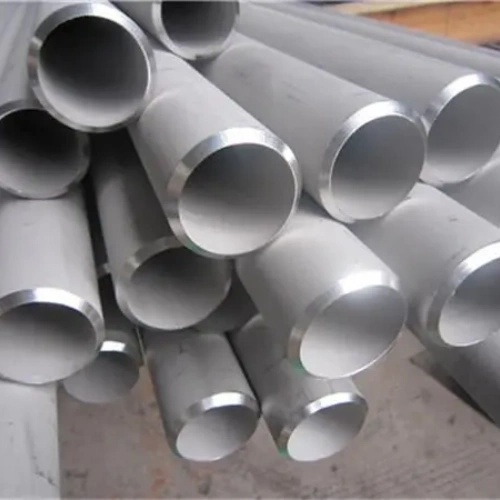
4. Magnetic detection has been falsified, and the industry calls for scientific identification standards
The traditional "magnetite identification method" often leads to misjudgments due to the misconception that austenitic stainless steel is non-magnetic. Although 316L belongs to austenite, there may be residual weak magnetism after processing, which cannot be used as a basis for judgment. Shandong Fengmai adopts full process magnetization free treatment in the production of grouting steel pipes to ensure that the products meet the SEMI F19 ultra clean surface standard and are suitable for high-precision fields such as semiconductors
5. Procurement suggestion: Choose legitimate manufacturers to avoid the risk of counterfeiting
Counterfeit 316L in the market often reduces costs by lowering the chromium and nickel content. For example, Shandong Fengmai, a supplier of galvanized steel and tunnel steel pipes with chromium content less than 10%, provides material reports and third-party certification, supports spectral retesting, and eliminates adulteration from the source. It is recommended that enterprises prioritize cooperation with manufacturers with ISO certification and conduct regular spot checks
6. Industry supervision is strengthened, and corporate self-discipline is key
Recently, stainless steel fraud cases have been exposed in many places, such as Pinduoduo merchants selling 200 series as 316L. Shandong Fengmai actively responds to national quality inspection policies, and its grouted steel pipe products have passed the ASTM G150 corrosion resistance test, with CPT values reaching industry-leading levels. Enterprises and consumers need to jointly supervise and promote the standardized development of the stainless steel industry.
Note: Shandong Fengmai, as a professional metal material supplier, offers products including galvanized steel, tunnel steel pipes, grouting steel pipes, etc. It strictly follows the 316L international standard (such as ASTM A240) and provides one-stop testing and quality assurance
