

Seamless Steel Pipe Manufacturing Methods: Hot Rolling, Cold Drawing, Cold Rolling – A Comprehensive Guide
Introduction
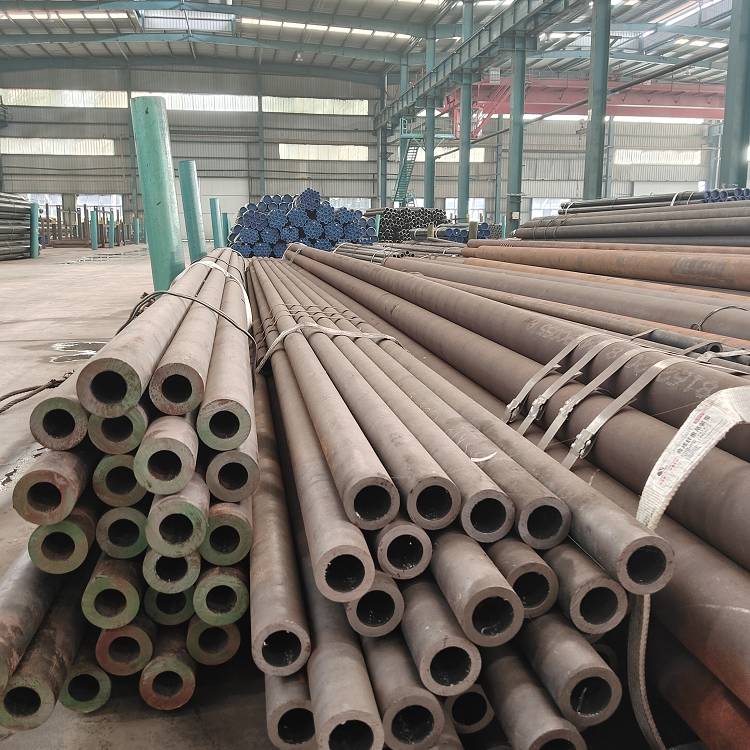
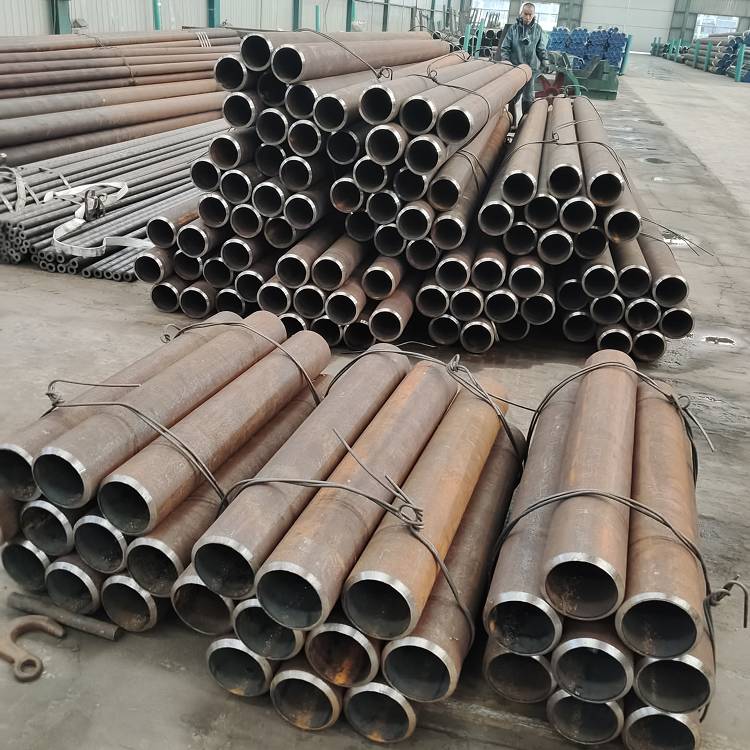
Seamless steel pipes are widely used in industries such as oil & gas, automotive, construction, and machinery due to their high strength, durability, and resistance to pressure. The three primary manufacturing methods—hot rolling, cold drawing, and cold rolling—determine the pipe's mechanical properties and applications.
This guide explores these manufacturing techniques, their advantages, industry applications, user feedback, quality inspection, and maintenance best practices.
1. Hot Rolling: Manufacturing Process & Applications
1.1 Hot Rolling Process
Hot rolling involves forming seamless pipes at high temperatures (typically above 1,000°C). The key steps include:
- Billet Heating – Steel billets are heated in a furnace until malleable.
- Piercing – A rotary piercing mill creates a hollow shell (bloom).
- Rolling & Sizing – The bloom is rolled into a pipe using a mandrel mill or plug mill.
- Cooling & Straightening – The pipe is cooled and straightened for dimensional accuracy.
1.2 Advantages of Hot-Rolled Seamless Pipes
- High production efficiency – Suitable for large-diameter, thick-walled pipes.
- Improved mechanical properties – Enhanced toughness and ductility.
- Cost-effective – Lower processing costs compared to cold-formed methods.
1.3 Applications
- Oil & gas pipelines (API 5L pipes)
- Boiler tubes (ASTM A106, A53)
- Structural applications (construction, bridges)
1.4 User Feedback
Industry professionals prefer hot-rolled pipes for high-pressure applications due to their reliability. However, surface finish and dimensional tolerances may require further processing.
2. Cold Drawing: Precision Manufacturing for High-Strength Pipes
2.1 Cold Drawing Process
2.1 Cold Drawing Process** Cold drawing involves pulling a hot-rolled pipe through a die at room temperature to achieve precise dimensions and a smooth surface.
- Annealing – The pipe is softened for better ductility.
- Pickling – Removes scale using acid solutions.
- Drawing – The pipe is pulled through a die to reduce diameter and wall thickness.
- Finishing – Final heat treatment and straightening.
2.2 Advantages of Cold-Drawn Pipes
- Superior surface finish – Smoother than hot-rolled pipes.
- Tighter tolerances – Ideal for precision applications.
- Higher strength – Work hardening improves tensile strength.
2.3 Applications
- Hydraulic cylinders (ASTM A519)
- Automotive components (shafts, bearings)
- High-precision machinery
2.4 User Feedback
Manufacturers in the automotive sector report excellent dimensional consistency but note that cold-drawn pipes are more expensive due to additional processing steps.
3. Cold Rolling: High-Precision Manufacturing for Thin-Walled Pipes
3.1 Cold Rolling Process
Cold rolling uses rollers to reduce thickness and improve surface quality without heating.
- Initial Rolling – Reduces pipe diameter and wall thickness.
- Annealing – Restores ductility.
- Final Rolling – Achieves precise dimensions.
3.2 Advantages of Cold-Rolled Pipes
- Exceptional surface quality – Minimal defects.
- Thinner walls possible – Suitable for lightweight applications.
- Improved mechanical properties – Higher hardness and strength.
3.3 Applications
- Aerospace components
- Medical devices
- Precision instrumentation
3.4 User Feedback
Aerospace engineers highlight the superior fatigue resistance of cold-rolled pipes but emphasize strict quality control to avoid micro-cracks.
4. Quality Inspection & Testing Methods
To ensure seamless pipe reliability, manufacturers conduct:
- Ultrasonic Testing (UT) – Detects internal flaws.
- Hydrostatic Testing – Checks pressure resistance.
- Dimensional Inspection – Verifies OD, ID, and wall thickness.
- Mechanical Testing – Tensile, hardness, and impact tests.
5. Maintenance & Best Practices
5.1 Storage Recommendations
- Store in a dry, ventilated area to prevent rust.
- Use protective coatings for long-term storage.
5.2 Cleaning & Corrosion Prevention
- Regular cleaning with anti-corrosion oils.
- Apply epoxy coatings for harsh environments.
5.3 Inspection Frequency
- Industrial applications: Biannual inspections.
- High-pressure systems: Quarterly checks.
Conclusion
Choosing between hot rolling, cold drawing, and cold rolling depends on application requirements, budget, and performance needs. Hot-rolled pipes are cost-effective for heavy-duty use, while cold-formed pipes offer precision and superior surface quality.
For B2B buyers, understanding these methods ensures optimal material selection for industrial projects.
This guide provides a comprehensive, SEO-friendly resource for businesses seeking seamless steel pipe solutions. For inquiries, contact us for customized pipe solutions!
